They read it for 7.4 seconds.
That is the average time a recruiter spends on one resume. We edit yours to pass that first look, score it with fixed rules, and give you written feedback. And one firm rule: we never write a number you did not give us.
The 7.4 seconds comes from The Ladders' 2018 resume eye-tracking study.How we score
Where these resumes get sent















- 9 layouts
- 6 interface languages
- Scored by a rules engine, not a model
- Missing figures stay as [N]
How it works.
Most resume tools only make weak writing look nicer. We fix the writing itself, in three steps.
Start with what you have
Fill in the form in your own words, or upload your current PDF. Nothing is scored yet.
Get the review
A score on four points: filler, numbers, verb strength, and ATS readability. Plus written feedback: what works, what is missing, and what an interviewer will ask.
Send a resume that holds up
Nine layouts, eleven industry styles, a cover letter in three voices, and a mock interview based on your own resume. You download a real-text PDF that ATS software can read.
We never write a number you did not give us. Where a number is missing, the page shows a yellow [N] blank for you to fill in.
A made-up number becomes your problem in the interview. So we leave a blank and tell you what to look up. Everything on the page is something you can defend.
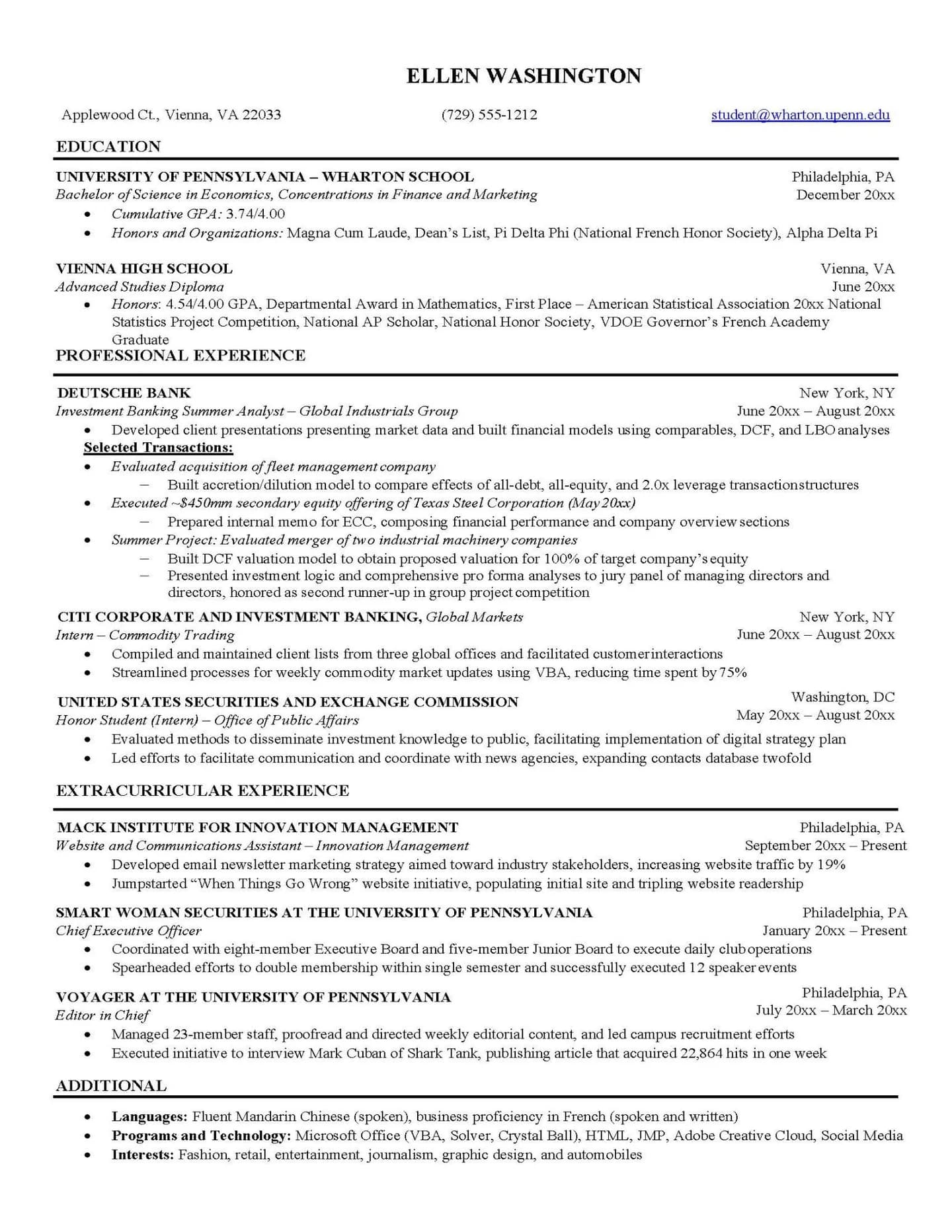
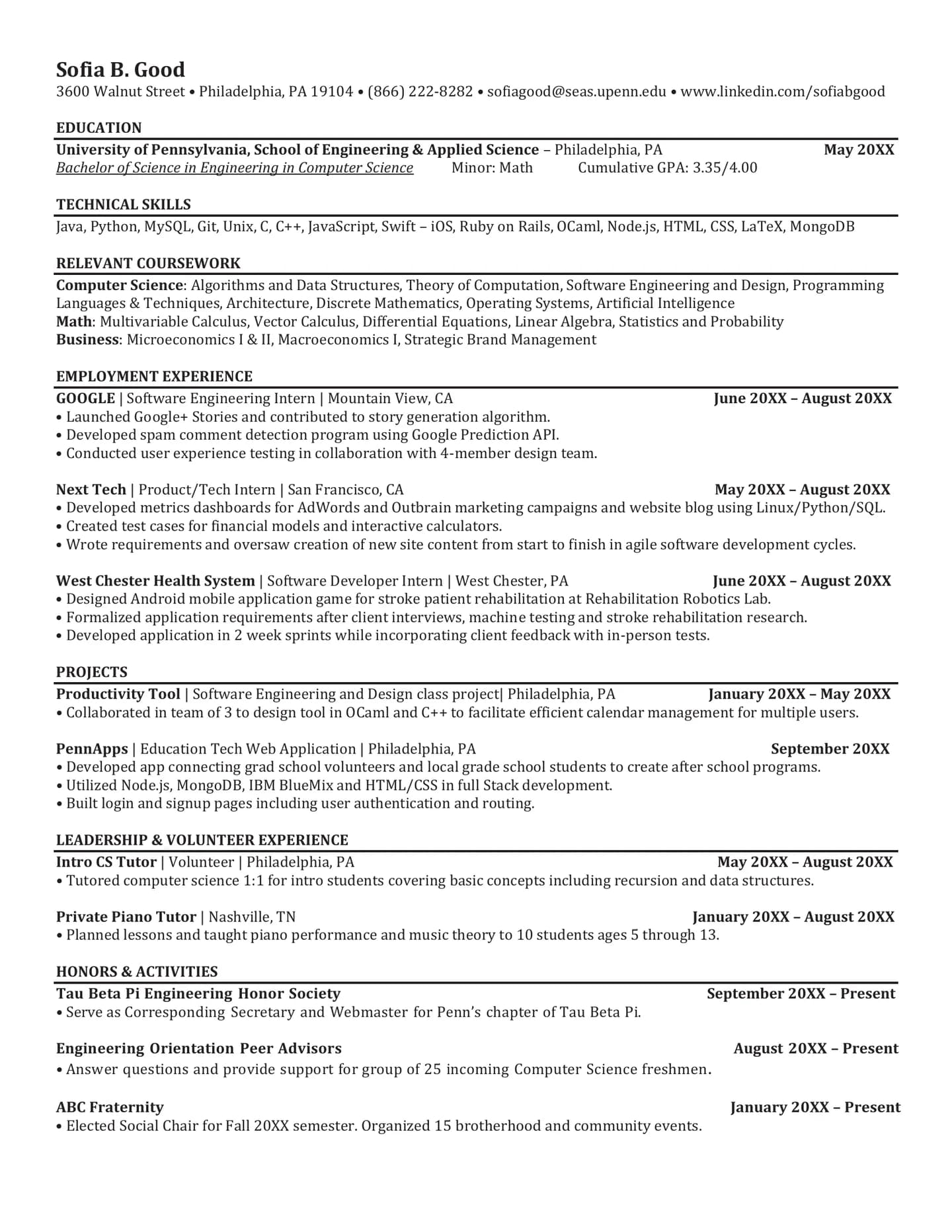
Sample pages in the consulting, finance, and tech styles. They are only examples. Your resume is built from your own information.
Three videos worth your time
A recruiter, a former Google recruiter, and Harvard. They give the same advice this tool is built on, from the hiring side.
Resume examples by role
What a strong bullet looks like for the job you are actually applying to, with the ATS keywords that role is screened on.
- Software Engineer
- IC Design Engineer
- Data Analyst
- Data Engineer
- DevOps · SRE Engineer
- Product Manager
- UI·UX Designer
- Management Consultant
- Investment Banking Analyst
- Financial Analyst (FP&A)
- Marketing Manager
- Supply Chain Manager
- Process Engineer
- Hardware Engineer
- Firmware Engineer
- Equipment Engineer
- Field Application Engineer
- Accountant
- Project Manager
- Business Analyst
- Data Scientist
- Machine Learning Engineer
- Sales Manager
- Administrative Assistant
- Mechanical Engineer
- Executive Assistant
- HR Generalist
- Flight Attendant
- English Teacher
- Registered Nurse
- Electrical Engineer
- Business Development Manager
- Internship
- New Graduate
The interview guide
What happens after the resume passes. Short pieces, each one you can act on today.
- STAR is a structure for showing evidence
- The 30-day English interview plan for non-native speakers
- A cover letter is not your resume in prose
- The weakness question is a coachability test
- Why you left: the answer is shorter than they expect
- Salary talks: the three moments people lose money
- The 24 hours after: how to write a follow-up note
- What each round of the interview loop filters out
- The last five minutes are yours
- A referral gets you read, not hired
- A reference check is not a lie detector
- The gap is rarely the problem. The dodge always is.
- The video interview is a technical problem you can solve
- After a rejection, three moves are still open
- Recruiters are not your friends, but they are useful
- The grad-school resume is not your job resume
- The grad-school interview checks exactly three things
Common questions
How is this different from a template site?
Templates make your resume look nicer, but looks were never the problem. The problem is a line like “responsible for” where a number should be. Here, we rewrite your sentences in your industry’s style, score them with fixed rules, and give you written feedback. The layout is one click at the end.
Will the AI invent numbers or experience?
No. This is our firmest rule. Where a number is missing, you get a yellow [N] blank to fill in. Every line on the page is one you can defend in an interview.
What does it cost?
Two free tries each for the resume and the cover letter. Enough to see how it works with your own information.
The full version is a one-time payment of US$11.99, with no subscription. You get 15 tries per document, all nine layouts, all eleven industry styles, and the mock interview.
Is the output ATS-safe?
Yes. Every layout uses a clean structure with standard section names, and one of the four scores checks exactly that. The PDF you download is real text that machines can read, not an image.
What happens to my data?
Your data is encrypted on the way to us and stored under your own account. We never use it to train AI models, and you can delete it at any time. Payments go through Stripe, so card numbers never reach our server.
Does it work for graduate-school applications?
Yes, there is a special style for it. Education moves to the top with more detail, research is written as evidence, and the review reads your page like an admissions committee. The mock interview switches to admissions questions.
Cover letters too?
One click gives you three versions: classic, direct, and narrative. You pick the one that sounds like you. The same honesty rules apply: the letter only uses what your resume shows.
What language is the interface?
Your own. The editor, the guide, and your account pages follow the language you pick in the menu. The tool works in English, Spanish, Hindi, Arabic, Japanese, and Chinese. What it produces (resumes, letters, interview questions) is always in English, because that is what you will send.